

Wholesale Guides
NPK 15-15-15 Fertiliser: When to Use It and How to Buy in Bulk
Oct
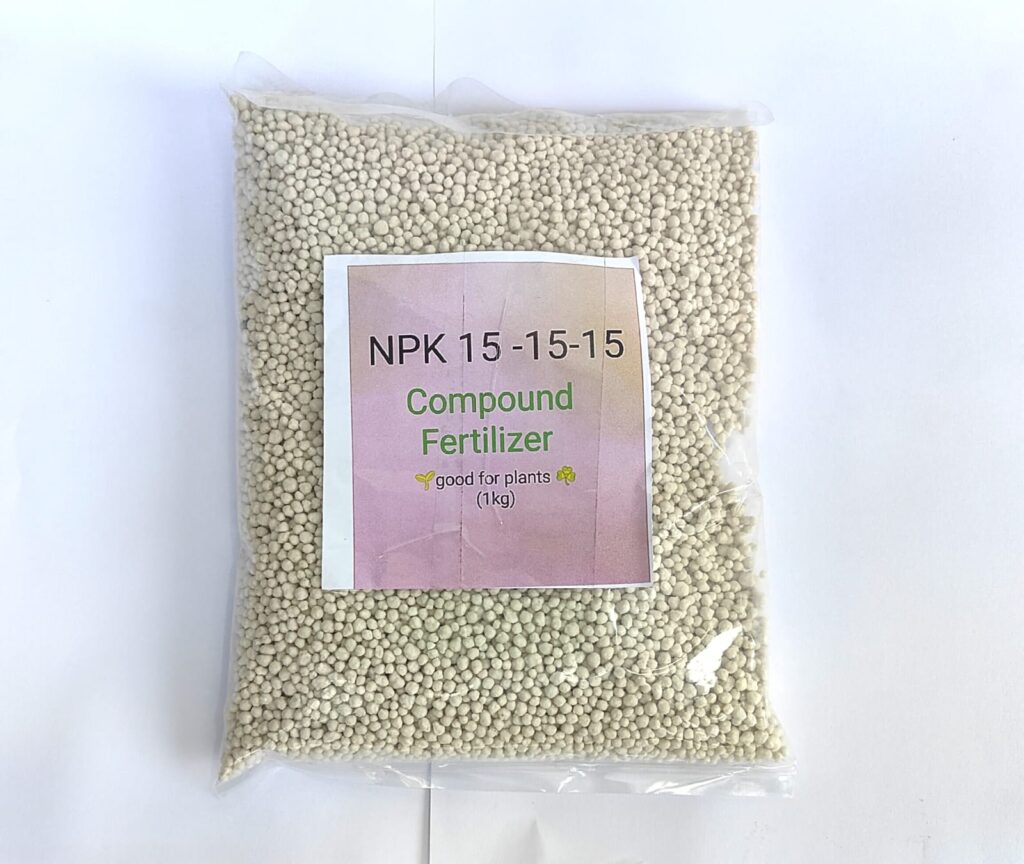
NPK 15-15-15 is one of the most widely traded compound fertilisers, and for good reason: it supplies nitrogen, phosphate and potash in equal parts from a single granule. That makes it simple to stock and simple to apply. It also means it is often used where a soil test would have recommended something else. This guide covers what the numbers mean, when a balanced blend is the right choice, and what distributors and co-operatives should check before buying by the tonne.
What 15-15-15 means
The three numbers are percentages by weight of total nitrogen (N), phosphate expressed as P2O5, and potash expressed as K2O. A 50kg bag of 15-15-15 therefore contains 7.5kg of each, or 22.5kg of declared nutrients in total. The remaining weight is the other parts of the compounds that carry those nutrients, plus fillers, conditioners and sometimes secondary nutrients such as sulphur.
That arithmetic matters when comparing products. A higher-analysis fertiliser can cost more per bag and less per kilogram of nutrient, and freight is paid on the bag weight, not the nutrient content.
When a balanced NPK makes sense
An equal-ratio fertiliser suits situations where the crop needs all three nutrients and a soil test does not show a large surplus or deficit of any one of them. Common uses include base dressings at planting for vegetables and field crops, maintenance feeding where soil analysis is not available, and retail garden and smallholder markets where one product has to cover many crops.
It is less efficient where soils are already rich in phosphate or potash, which is common on land with a history of heavy fertiliser or manure use. In that case a buyer is paying for nutrients the crop will not use. Straight fertilisers such as DAP 18-46-0 for phosphate, or nitrogen top dressings later in the season, are often the better complement. A soil test is cheap compared with a season’s fertiliser bill.
Compound or blended?
Products sold as 15-15-15 come in two forms, and a quote often does not say which.
- Compound (complex) granules. Each granule contains all three nutrients in the declared ratio. Spreading is even, because nothing separates in the bag or the spreader.
- Bulk blends. A physical mix of separate granules, each carrying one or two nutrients. Blends can be cheaper and flexible, but granules of different size and density can segregate during handling, giving uneven application unless the components are well matched.
Ask which form you are being offered, and for blends, ask for the granule size range of each component.
Specification points to check
- Guaranteed analysis of N, P2O5 and K2O, with the tolerance allowed.
- Nitrogen form. Ammoniacal, nitrate and urea nitrogen behave differently in the soil and differ in losses.
- Phosphate solubility. Water-soluble phosphate is available to the crop sooner.
- Potash source. Most 15-15-15 uses potassium chloride. Chloride-sensitive crops such as tobacco, some fruit and potatoes grown for quality may need a sulphate-based grade, which costs more.
- Granule size and hardness. Typically in the 2 to 4mm range. Soft granules break down into dust that cakes and spreads badly.
- Moisture and anti-caking coating. Compound fertilisers absorb moisture from the air, and poor conditioning shows up as solid bags after a few weeks in storage.
- Heavy metals. Phosphate fertilisers can carry cadmium from the rock phosphate. EU fertilising products regulated under Regulation (EU) 2019/1009 have a cadmium limit per kilogram of P2O5.
Packing and storage
Bulk NPK usually ships in 25kg or 50kg woven polypropylene bags with a polyethylene liner, or in 500kg to 1-tonne big bags for users with handling equipment. Store it under cover on pallets, off the floor and away from walls, and keep stacks low enough that the bottom bags do not compact. Fertilisers containing ammonium nitrate are subject to additional storage and security rules in many countries, so check the formulation and local requirements.
What moves the price
Compound fertiliser prices follow their raw materials. Nitrogen tracks natural gas, which is the main input for ammonia. Phosphate follows phosphate rock and sulphur, and potash follows a small number of producing countries. Prices also rise ahead of planting seasons, when demand peaks. Buyers who can take delivery outside the peak season, and who have the storage to do so, often buy for less.
Freight is a large part of the landed cost on a low-value, heavy product. Compare quotes on a delivered basis, per tonne of nutrient, and with the same Incoterm. Our guide to minimum order quantities explains how volume tiers work.
Frequently asked questions
How much NPK 15-15-15 per hectare?
It depends entirely on the crop, the yield target and the soil test. Local agronomic advice or your national fertiliser recommendations are the right source for rates. Applying a balanced NPK without a soil test often over-supplies phosphate and potash.
Why has my fertiliser caked in the bag?
Compound fertilisers absorb moisture, and pressure from stacking fuses damp granules together. Poor anti-caking treatment, damaged liners and humid storage are the usual causes.
Is 15-15-15 suitable for tobacco or potatoes?
Standard grades use potassium chloride, which can affect quality in chloride-sensitive crops. Ask for a sulphate of potash-based formulation for those crops.
Request a quote
Averra Trades supplies NPK 15-15-15 fertiliser and other products in the fertilizers range. Send us the grade, bag size, tonnage and destination and we will confirm the specification sheet, availability and lead time.